--
--
For decades, publishers depended almost entirely on intermediaries.
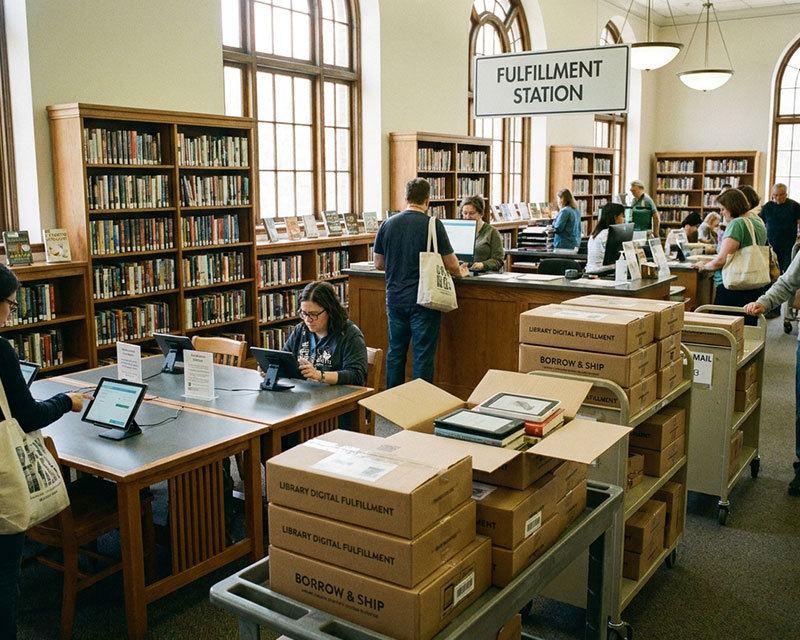
Retailers sold the books. Wholesalers moved them. Libraries circulated them.
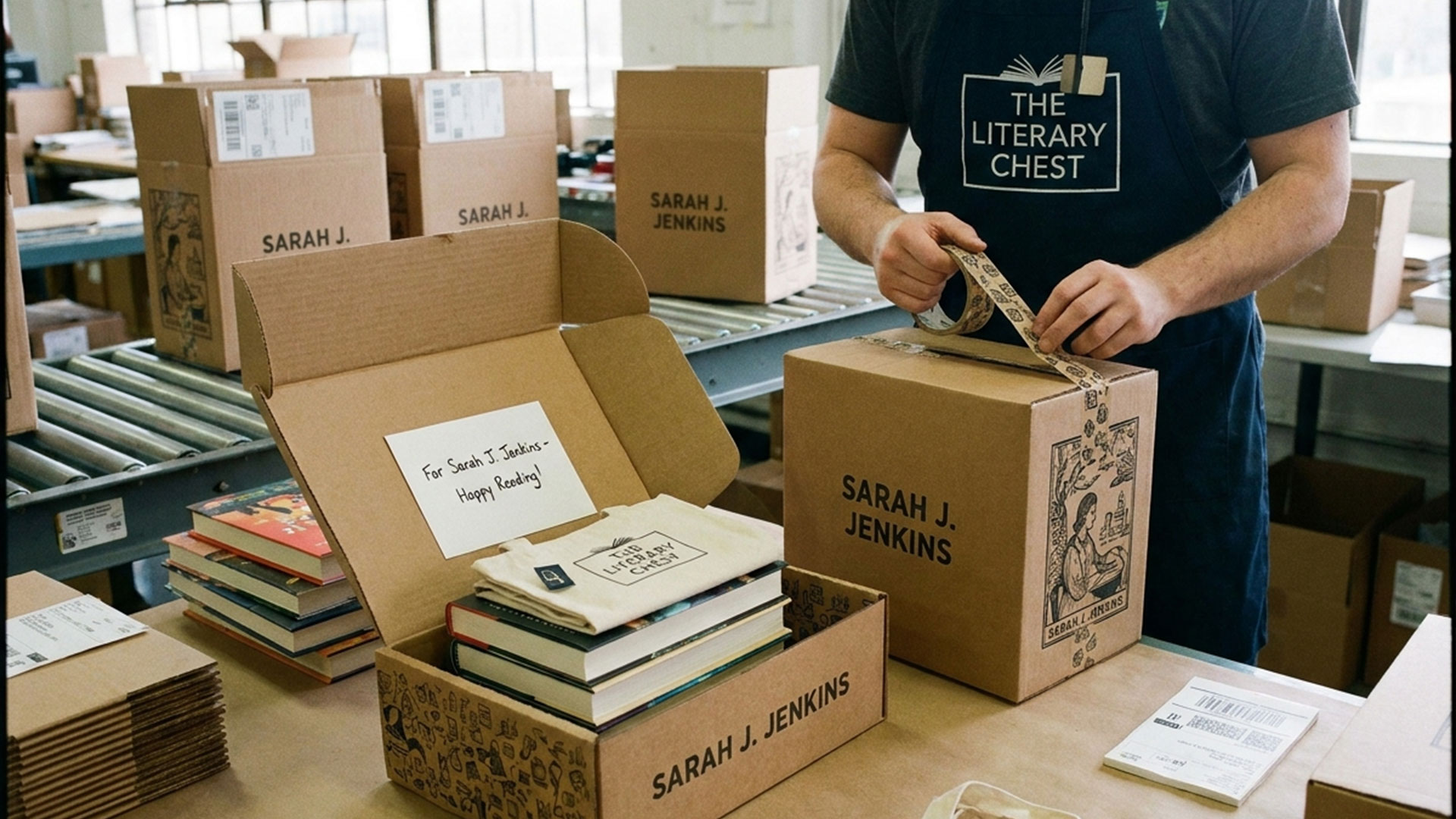
That structure still dominates, but direct-to-consumer sales are growing quickly. Publishers increasingly want direct relationships with readers. Readers increasingly want direct access to publishers.
Direct sales give publishers something traditional retail cannot: customer insight. They can see who buys, what they buy, when they buy, and what they return for. This data changes everything from marketing to product development.
It also creates stronger long-term loyalty.
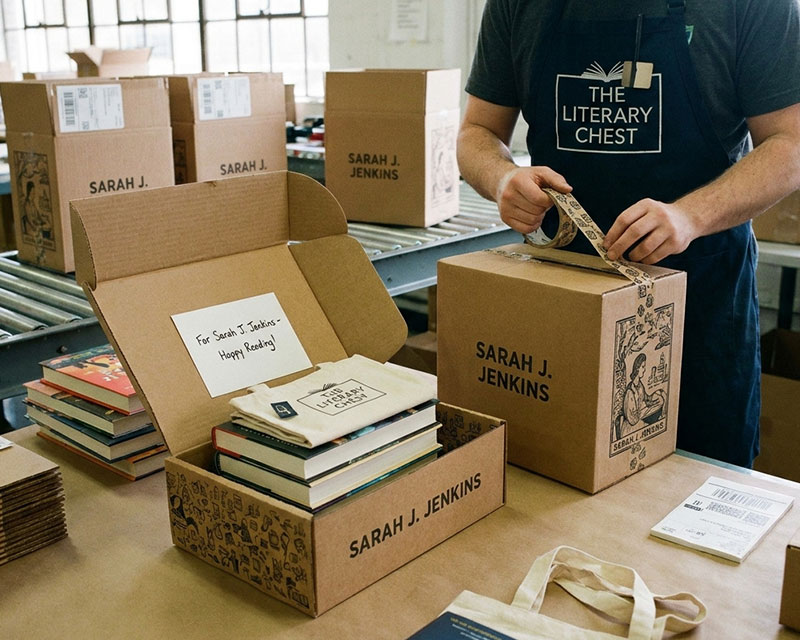
DTC growth is being driven heavily by exclusivity. Signed copies, limited editions, boxed sets, and subscriptions create urgency and emotional value. These models are particularly effective in genres with passionate fan communities.
This mirrors broader consumer behavior. Readers increasingly want ownership experiences, not just transactions.
DTC is growing, but it is not replacing traditional distribution.
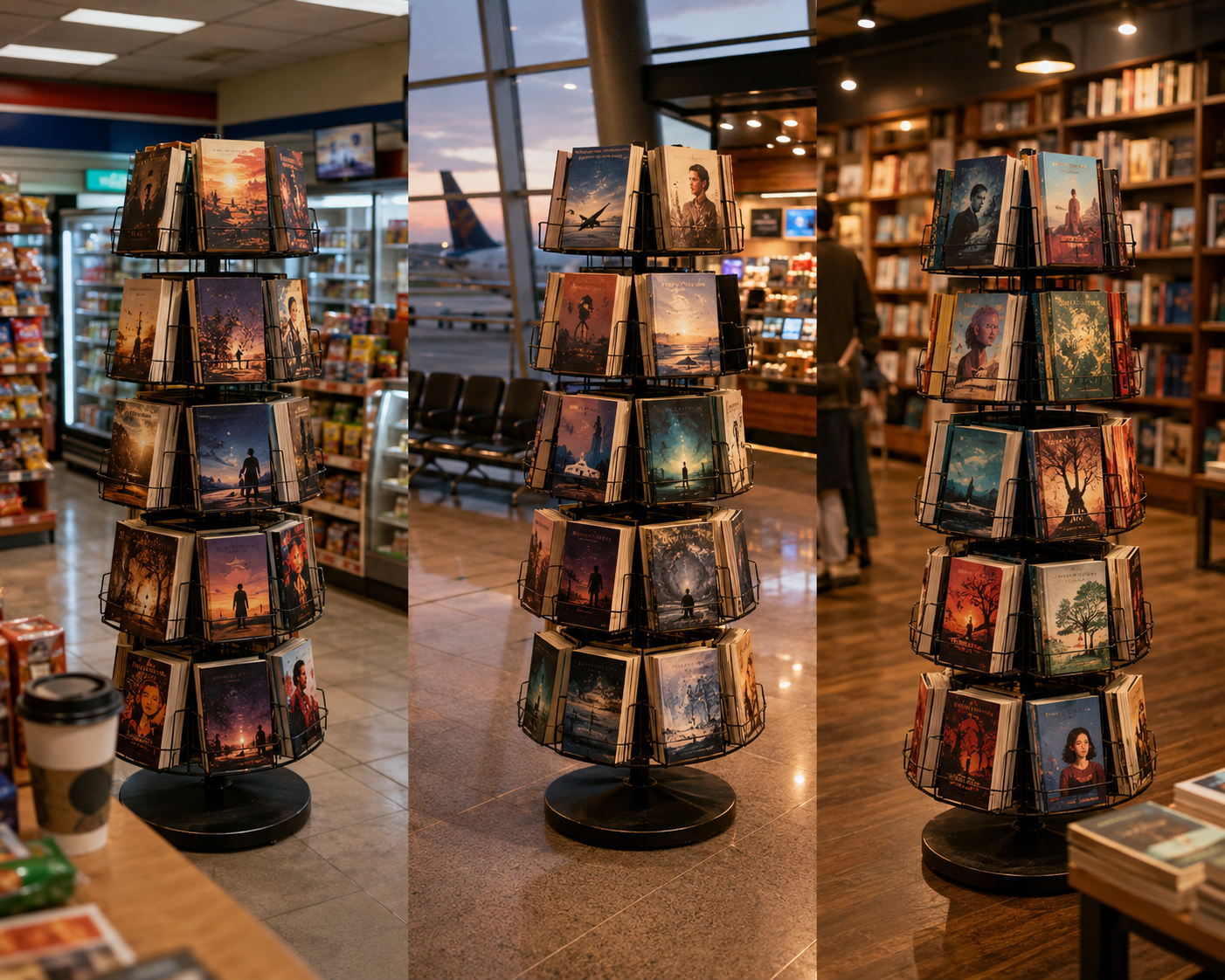
Scale still matters. Retailers offer discoverability. Libraries offer long-term visibility. Wholesalers offer reach and efficiency.
The smartest publishers in 2026 will not choose one path.
They will combine DTC, wholesale, retail, and institutional sales strategically. Direct sales create relationship depth. Wholesale creates market width.
Publishing’s future depends on both.