--
--
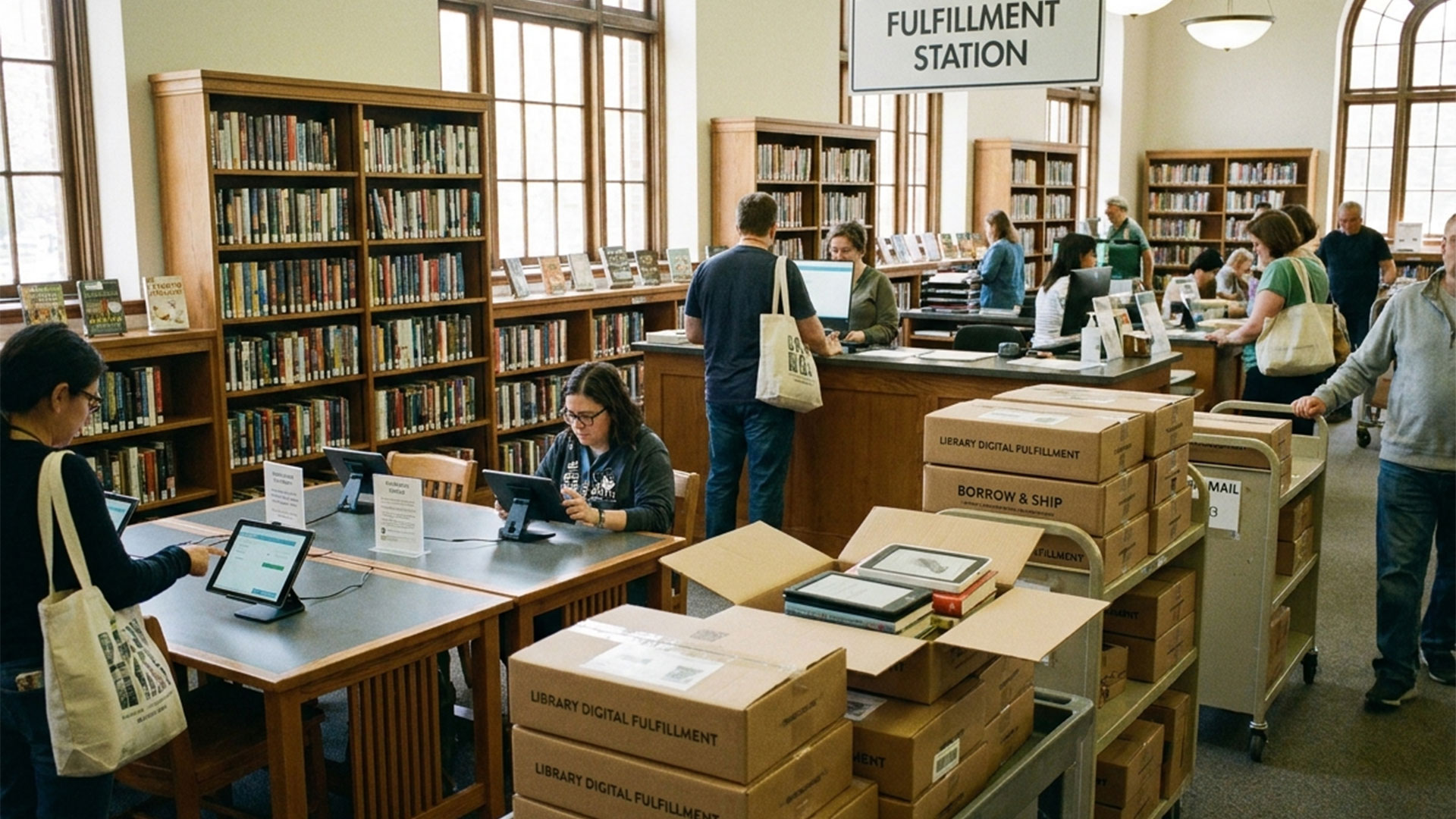
Public libraries have always depended on trusted book suppliers. For decades, that relationship was straightforward. Libraries worked with wholesalers, publishers, and specialized distributors to build collections, manage acquisitions, and maintain access to diverse titles.
But in recent years, online retailers have entered the picture in a much bigger way.
What began as a convenience has become a meaningful shift in procurement behavior. Libraries increasingly use online retailers for speed, availability, and pricing advantages, especially for individual titles or urgent replacements. As 2026 approaches, this trend is raising important questions about cost, service, and long-term sustainability.
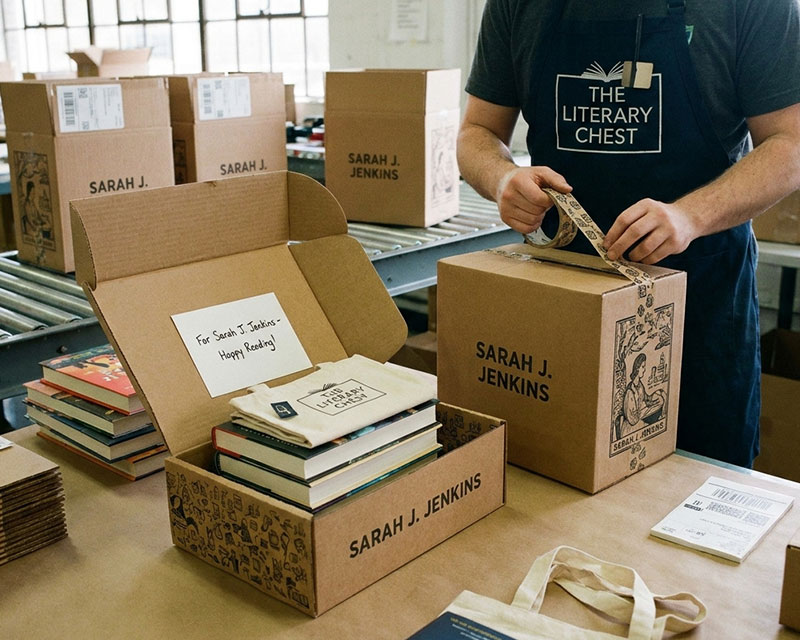
Online retailers have introduced something traditional library vendors often struggle to match: immediacy.
A librarian can source a book in minutes, compare prices instantly, and often receive delivery within days. That speed matters, particularly for high-demand titles or sudden replacements.
For smaller library systems with leaner staff, the simplicity of online ordering can feel efficient and practical.
But convenience often comes at a cost.
Libraries may save time upfront, but fragmented ordering can reduce the strategic benefits of working with established wholesale partners who offer various library services.
One hidden consequence of online retail dependence is discoverability.
Online platforms tend to prioritize what sells fastest. That often favors mainstream titles, trending authors, and commercially optimized categories.
Libraries, however, serve a broader purpose. They need literary diversity, regional voices, educational content, and smaller press titles that may not surface prominently in algorithm-driven marketplaces.
This is where wholesale relationships remain essential.
Bookazine’s broad catalog access helps libraries maintain collection depth rather than narrowing around what is easiest to buy.
The reality is that libraries are unlikely to abandon either model.
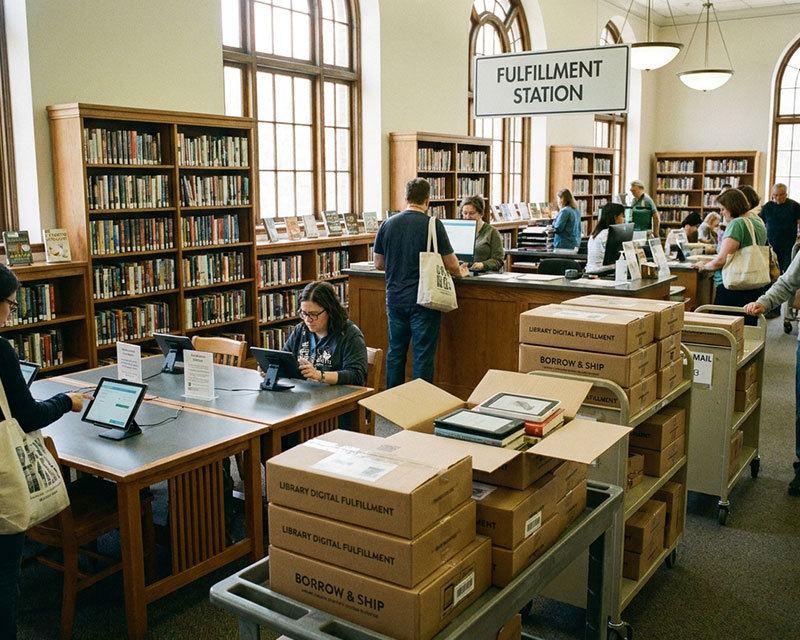
Online retailers will continue serving speed-based and one-off purchasing needs. Wholesalers will remain critical for strategic collection building, data integration, and large-scale fulfillment.
The strongest library systems in 2026 will likely combine both.
The challenge will not be choosing one over the other. It will be knowing where each serves the library mission best.