--
--
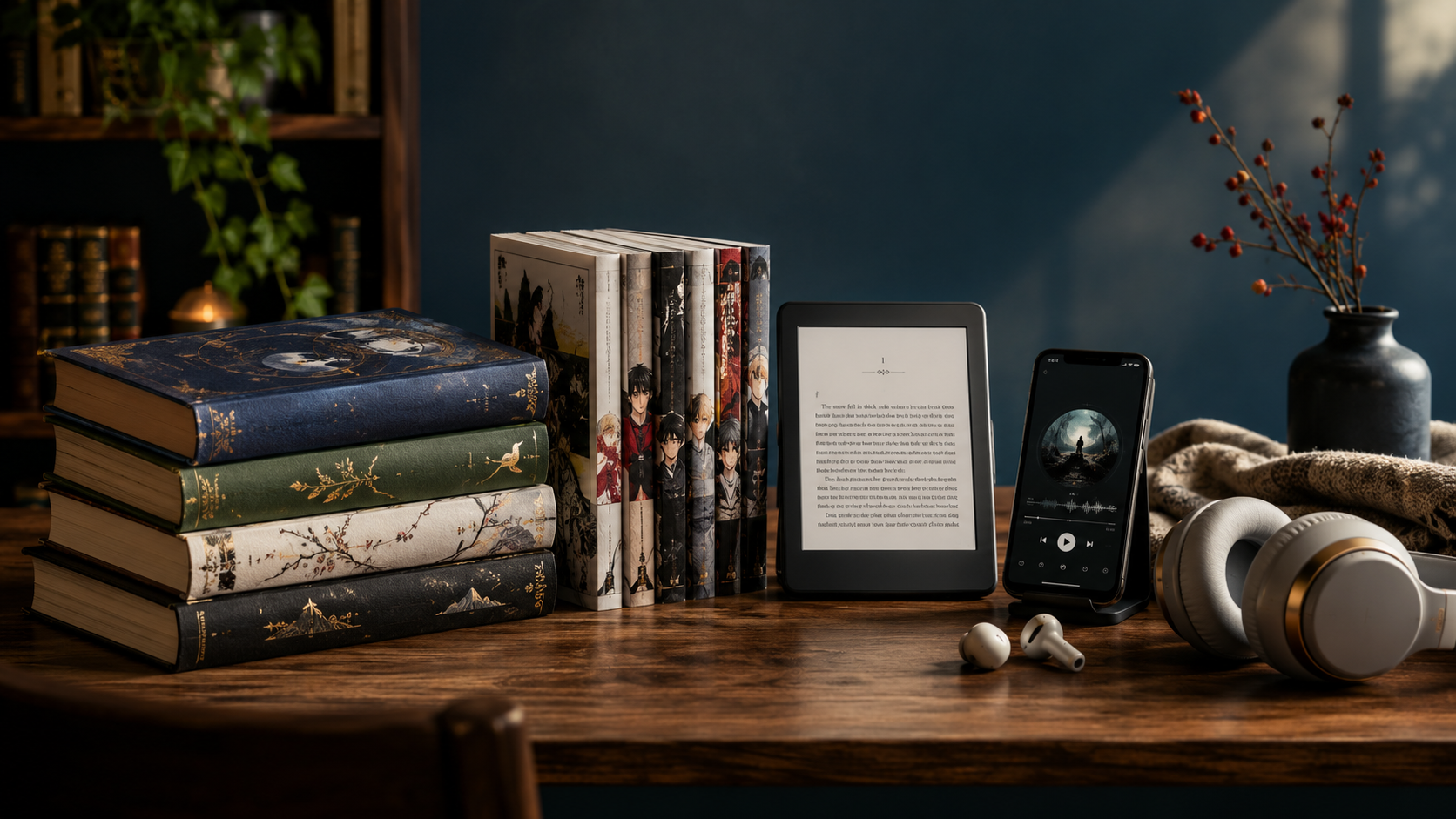
The publishing industry is no longer driven by a single dominant format. Readers today move fluidly between print, digital, audio, and collectible editions depending on how, where, and why they consume content. As 2026 approaches, some formats are growing far faster than others, reshaping how publishers, retailers, libraries, and wholesalers approach inventory, production, and marketing.
What is becoming increasingly clear is that growth is not being driven by convenience alone. It is being driven by experience.
Audiobooks remain one of the fastest-growing segments in both the United States and Europe. In the US market, audiobook consumption has become deeply integrated into everyday routines. Commutes, fitness, travel, and multitasking lifestyles continue to support growth, particularly among younger consumers who increasingly treat audio as a primary reading format rather than a secondary option.
In Europe, growth patterns vary by country, but the trend remains strong. Nordic markets, Germany, and the UK continue to see expanding audiobook subscriptions, while Southern and Eastern European markets are beginning to scale more aggressively.
The biggest shift is cultural. Audiobooks are no longer viewed as niche or accessibility-driven products. They are mainstream entertainment.
For publishers, this means increased investment in audio-first marketing, celebrity narration, and faster conversion pipelines. For distributors like Bookazine, it reinforces the importance of managing multi-format inventory and helping retail and institutional partners navigate evolving consumer demand.
At the same time digital audio grows, premium print editions are thriving.
Special editions, sprayed edges, foil stamping, deluxe hardcovers, boxed sets, and collector-focused releases continue to outperform expectations, especially in fiction categories like fantasy, romance, manga, and young adult.
Consumers increasingly view physical books not only as reading material but as lifestyle and display objects. Social platforms like TikTok and Instagram have accelerated this trend by turning aesthetically designed books into visual products.
This has created a surprising reality within publishing: consumers may choose digital for convenience, but they still invest heavily in physical books when emotional connection or collectibility is involved.
Europe mirrors this trend, particularly in the UK, France, and Germany where independent bookstores continue to emphasize curated and premium in-store experiences.
One of the most significant format shifts globally has been the rise of visual storytelling.
Manga remains one of the fastest-growing print categories in both North America and Europe, driven by anime culture, younger readers, and crossover audiences. Graphic novels have also expanded well beyond superhero genres into memoir, literary fiction, education, and nonfiction.
Importantly, these formats are attracting readers who may not engage with traditional prose-heavy books. Libraries and schools increasingly rely on graphic storytelling to support literacy and accessibility.
Bookazine has seen growing demand from retailers and institutions seeking broader access to manga and graphic novel catalogs, particularly as consumer demand consistently outpaces supply in some categories.
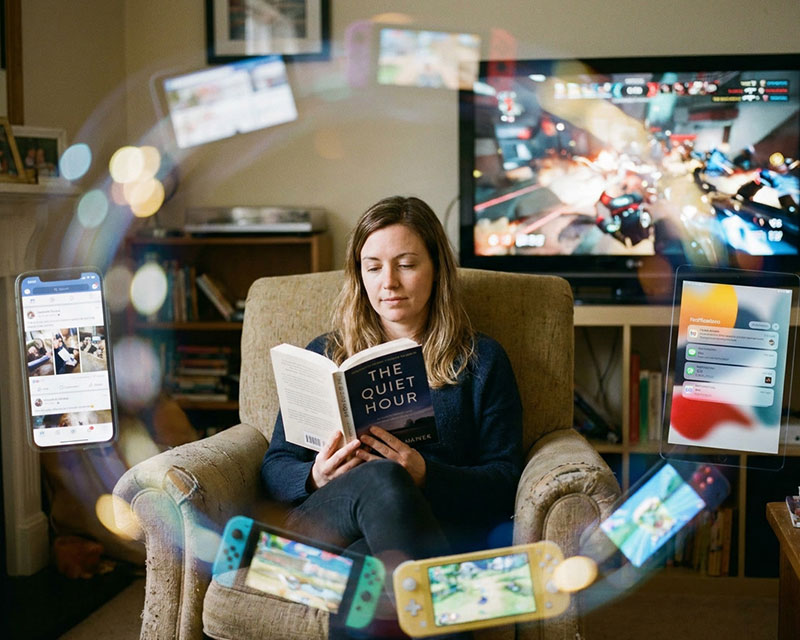
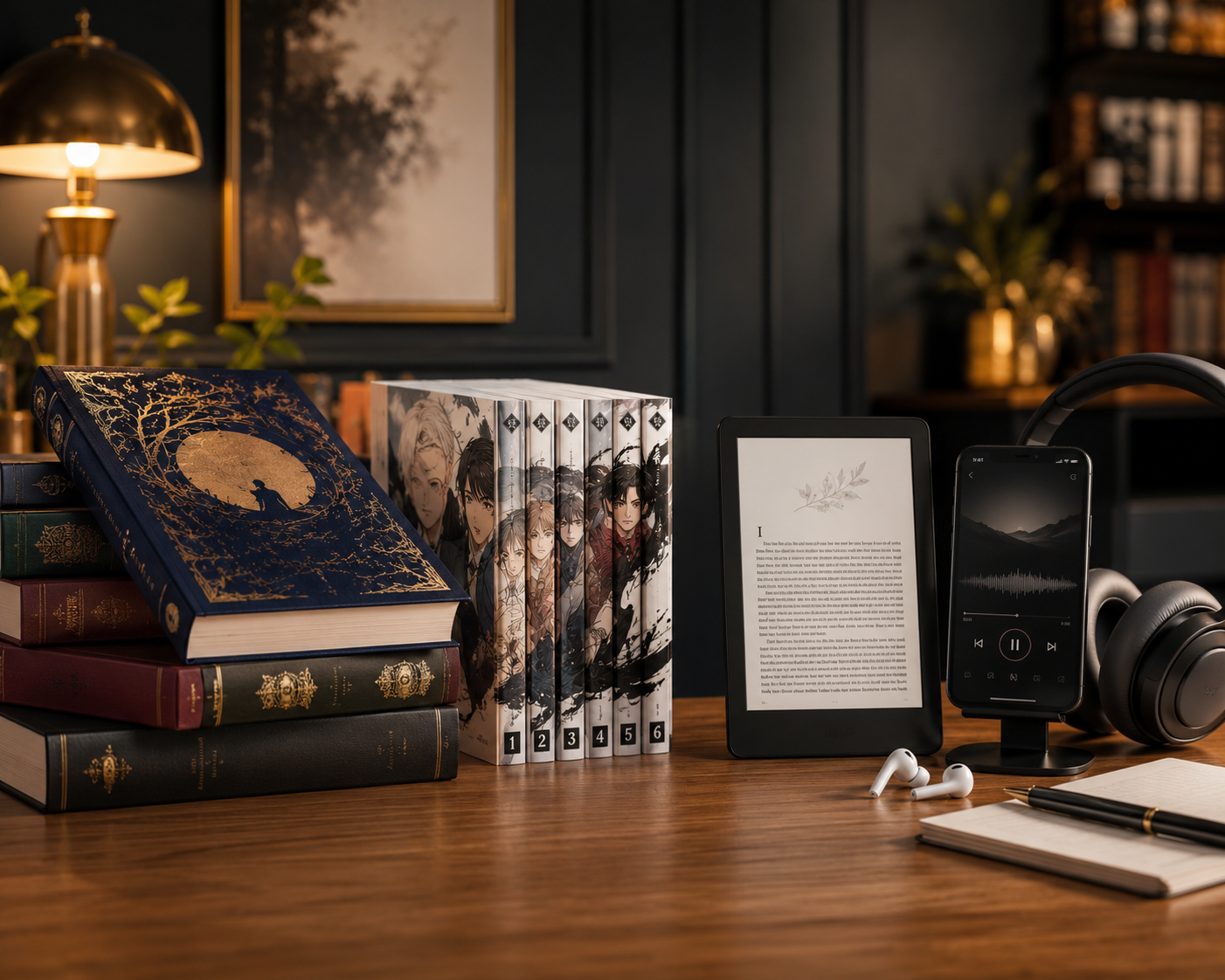
Perhaps the biggest trend is not a single format winning over another. It is consumers using multiple formats simultaneously.
A reader may listen to an audiobook during the week, buy a premium hardcover for their shelf, and consume supplemental digital content online. This hybrid behavior changes how publishers think about lifecycle marketing and release strategies.
It also changes distribution.
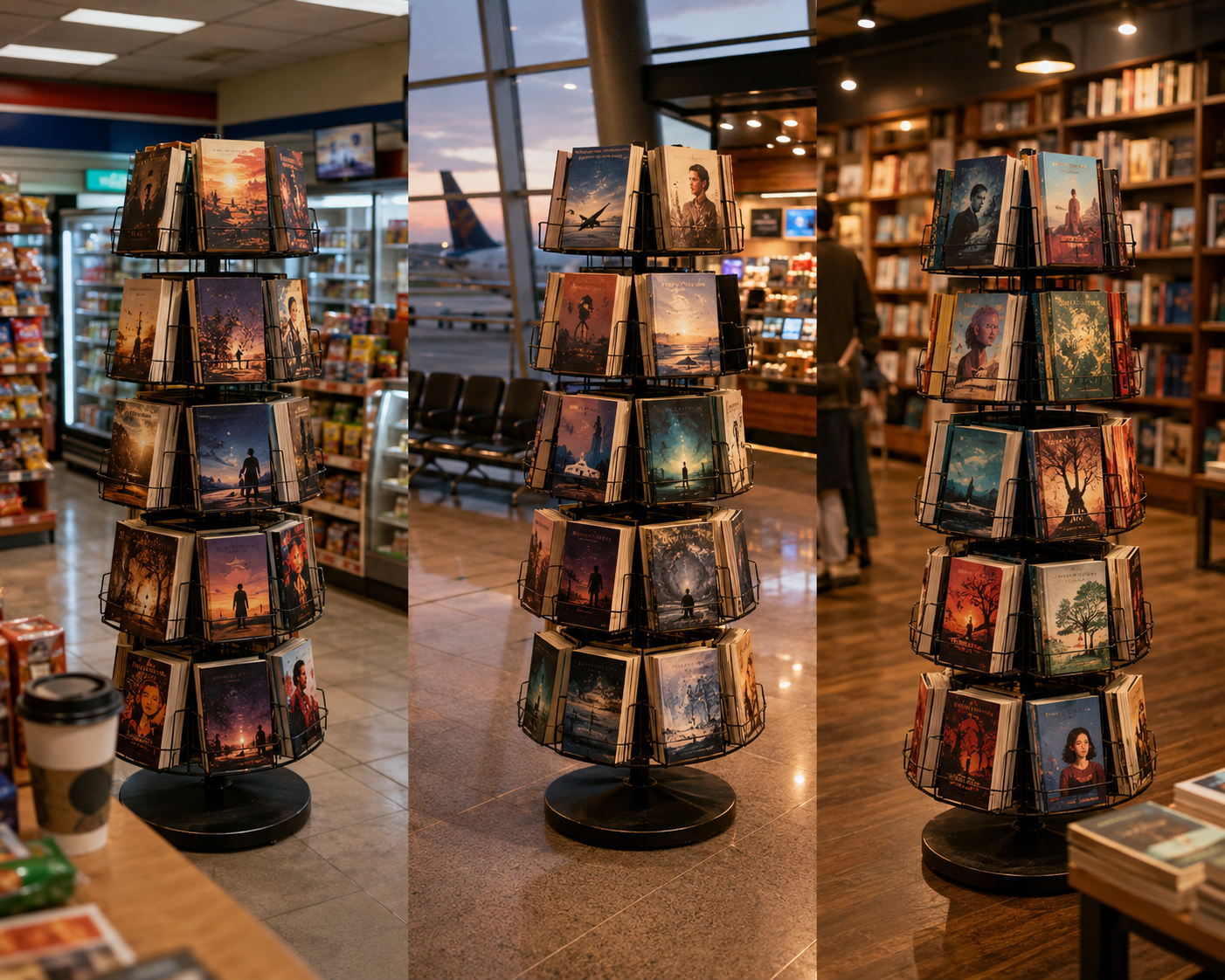
Wholesalers must manage increasingly fragmented inventory across formats while ensuring discoverability and availability. Bookazine’s role in helping retailers and libraries source both mainstream and niche formats becomes even more important in this environment.
The fastest-growing formats in publishing are those that adapt to how readers actually live.
Audio supports mobility. Premium print supports emotional ownership. Visual storytelling supports accessibility and engagement.
The future of publishing is not about replacing one format with another. It is about understanding that readers increasingly expect flexibility, personalization, and experience across every format they consume.
That flexibility will define the next era of trade publishing.