--
--
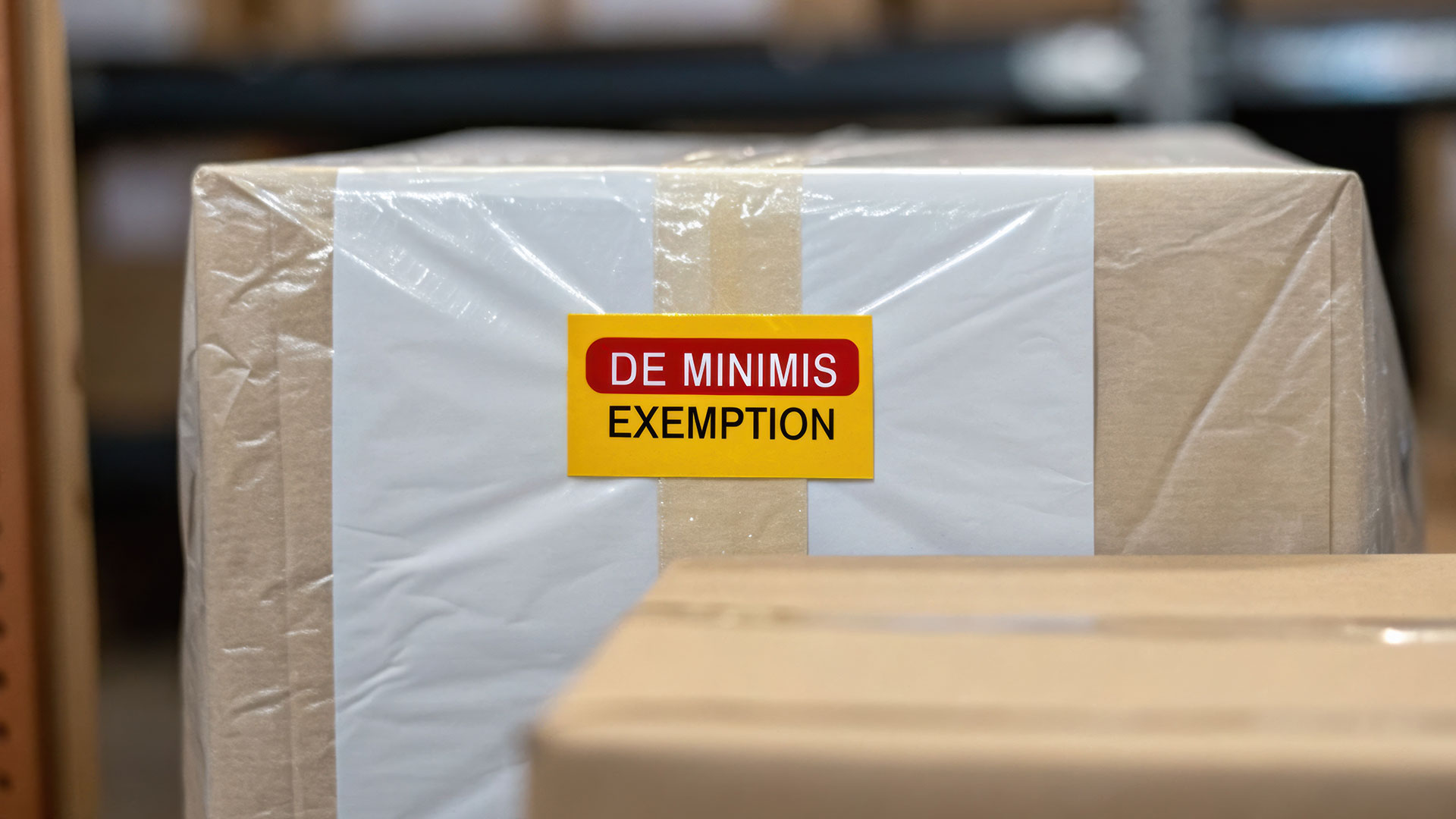
For years, the $800 de minimis tariff threshold quietly shaped how books moved into the United States. It wasn’t a headline issue, and most readers never heard of it. But for publishers, wholesalers, and retailers, it mattered. A lot.
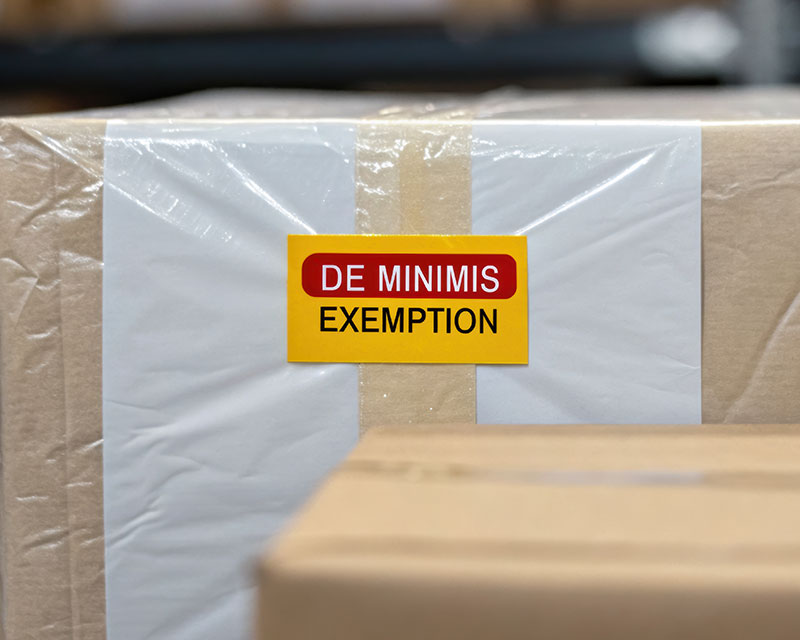
The rule allowed goods valued under $800 to enter the U.S. without tariffs or extensive customs processing. In publishing, that exemption supported smaller shipments of books coming from overseas printers, international publishers, and niche presses. It helped keep costs down, reduced friction, and allowed a steady flow of global titles into the American market.
With the recent ending of that threshold, the industry has entered a new reality. Every shipment, regardless of size, now faces duties, paperwork, and delays. The change may sound technical, but its effects ripple through pricing, access, and the diversity of books available to readers.
Books already operate on thin margins. Printing costs have risen steadily over the last several years, driven by paper shortages, energy prices, and supply chain disruptions. Freight costs remain volatile. Retailers are cautious. Libraries are budget-conscious.
Removing the de minimis exemption adds yet another cost layer to an already pressured system.
Small shipments are where the impact is felt most acutely. Advance copies, short print runs, specialty titles, and books from smaller international publishers often arrive in low quantities. Under the old system, those shipments could move efficiently. Under the new rules, they trigger the same customs process as large commercial imports.
For large publishers shipping in bulk, the change is manageable. For smaller publishers and independent presses, it’s a real challenge. The risk is not just higher costs, but reduced willingness to ship into the U.S. at all.
This is how policy decisions quietly shape cultural access.
Independent publishers and international presses are often the earliest affected. Many rely on overseas printers and ship limited quantities to test demand or serve niche audiences. When tariffs and customs fees apply to every shipment, experimentation becomes expensive.
That pressure eventually reaches retailers. Independent bookstores that pride themselves on curated, global selections may find certain titles harder to source or more expensive to stock. Libraries, especially academic and public systems that rely on diverse international catalogs, face similar constraints as acquisition budgets stretch thinner.
Readers may not immediately connect rising prices or shrinking selection to trade policy, but the link is there.
This is where scale and infrastructure begin to matter more than ever.
As direct importing becomes more complex, publishers increasingly look to partners who can absorb that complexity on their behalf. Wholesalers play a critical role in this transition, not simply as intermediaries, but as stabilizers.
Bookazine’s position in the global book supply chain becomes especially relevant in this context. By consolidating shipments from multiple publishers into larger imports, Bookazine helps reduce per-title tariff impact. Instead of dozens of small shipments each triggering fees and delays, inventory can move more efficiently through shared logistics.
This consolidation doesn’t just lower costs. It preserves access.
Bookazine’s long-standing relationships with international publishers allow smaller presses to continue reaching U.S. retailers and institutions without bearing the full administrative and financial burden of the new tariff environment. In effect, the wholesaler becomes a buffer between regulatory complexity and cultural exchange.
Without that buffer, the market naturally narrows.
Tariffs are only part of the story. The paperwork matters just as much.
Every shipment now requires formal customs declarations, brokerage services, and compliance documentation. Delays at ports are more likely. Errors become more costly. For publishers without dedicated logistics teams, these hurdles can be prohibitive.
Time matters in publishing. Missed release windows affect marketing plans, reviews, and seasonal sales cycles. When books are delayed at the border, the consequences ripple outward, impacting retailers and readers alike.
Wholesalers with established customs expertise, data systems, and logistics partners help absorb these risks. Bookazine’s experience navigating international supply chains means fewer surprises for the retailers and libraries it serves, even as regulations tighten.
Perhaps the most concerning long-term effect of the de minimis change is not financial, but cultural.
When costs rise and complexity increases, markets tend to consolidate. Large players adapt. Smaller voices struggle. Over time, fewer international and independent titles make it into circulation, not because they lack readers, but because the economics no longer support their movement.
This is not a dramatic collapse. It’s a gradual narrowing.
Bookazine’s role in countering that trend is quiet but significant. By continuing to source broadly and distribute globally, it helps keep shelves diverse. That diversity matters to independent bookstores building identity through curation, to libraries serving multilingual communities, and to readers looking beyond the mainstream.
The end of the de minimis threshold is already accelerating several shifts.
Some publishers are reevaluating print locations, exploring domestic or nearshore options despite higher base costs. Others are increasing print runs to justify tariffs, accepting higher inventory risk in exchange for lower per-unit fees.
Retailers and institutions are leaning more heavily on wholesalers, not just for pricing efficiency, but for reliability. As direct importing becomes less attractive, centralized distribution becomes more valuable.
Bookazine sits squarely at that center point. Its ability to manage volume, compliance, and relationships allows the broader ecosystem to function with fewer disruptions, even as policy landscapes shift.
The removal of the $800 de minimis threshold is unlikely to be reversed soon. It reflects broader trade priorities and concerns about enforcement and domestic industry protection. For publishing, that means adaptation is the only path forward.
The companies that thrive will be those that combine operational efficiency with a commitment to access. They will find ways to manage costs without sacrificing diversity. They will lean on partners who understand both logistics and the cultural stakes involved.
For Bookazine, this moment reinforces its purpose. As global trade becomes more regulated and more complex, the need for thoughtful, experienced distribution only grows. By absorbing friction, consolidating supply, and keeping global books moving, Bookazine helps ensure that regulatory shifts do not quietly limit what readers can discover.
The policy may have changed, but the mission remains the same. Books should cross borders. Ideas should circulate. And access should not depend on shipment size.