--
--

Sustainability is no longer a marketing slogan in publishing. It’s a strategic and financial reality. Paper sourcing, printing location, freight emissions, warehousing practices, and packaging decisions all contribute to the environmental footprint of every book produced. Readers increasingly expect publishers to act responsibly. Governments are introducing regulations like EUDR. Retailers are scrutinizing supply chains. Yet publishing remains a margin-sensitive industry. Sustainable paper often costs more. Domestic printing reduces emissions but raises expenses. Slower shipping methods may reduce carbon output but disrupt release schedules.
The challenge for 2026 is not whether sustainability matters. It’s how to pursue it without undermining affordability and quality.
A physical book’s environmental impact begins with forest management and ends with distribution. Paper production remains the most significant contributor to emissions, followed by printing and transportation. Certified paper stocks like FSC and PEFC help ensure responsible forestry. Recycled paper reduces demand for virgin pulp but can affect print quality and durability. Shipping across oceans adds carbon cost but often reduces per-unit production expenses.
These tradeoffs are not simple.
A fully domestic, small-run print strategy may reduce shipping emissions but increase per-book waste. A large overseas print run may be more efficient per unit but increase transport emissions. Sustainability must be measured holistically, not symbolically.
Publishers face real constraints. Sustainable paper is often more expensive and subject to supply limitations. Specialty finishes and color-heavy books, such as children’s titles and illustrated editions, require higher-grade paper stocks that may not always be available in recycled formats. Retail price sensitivity also matters. If sustainability pushes retail prices too high, books become less accessible. That undermines the core mission of publishing. The balance lies in strategic choices rather than blanket policies. Shorter print runs with smarter forecasting reduce waste. Consolidated shipping reduces emissions. Responsible sourcing partnerships reduce long-term risk.
Bookazine’s role as a global distributor intersects directly with this balancing act. By consolidating shipments and optimizing logistics routes, it helps reduce environmental impact without increasing per-unit costs unnecessarily. Sustainability in distribution is often overlooked, but freight efficiency matters just as much as paper sourcing.
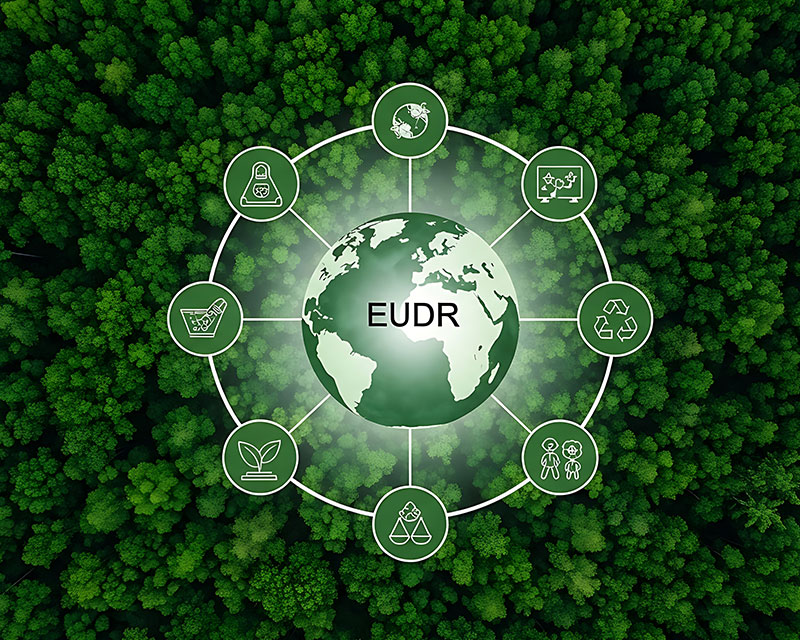
Regulations like EUDR are forcing the industry to formalize sustainability practices. Traceability requirements increase transparency. Compliance systems demand documentation and accountability. While these regulations introduce complexity, they also standardize expectations. Over time, sustainability becomes embedded in infrastructure rather than treated as an add-on expense. Wholesalers with established compliance processes, such as Bookazine, provide stability during this transition. By aligning sourcing, documentation, and logistics practices with evolving standards, they help publishers meet regulatory demands without sacrificing global reach.
The publishing industry will not become perfectly sustainable overnight. Nor should it pretend that environmental responsibility has no cost. The realistic path forward is incremental but consistent improvement. Invest in certified sourcing. Optimize print runs. Consolidate shipping. Reduce overproduction. Increase transparency. Consumers in 2026 will reward authenticity over perfection. They want to see effort, honesty, and measurable progress.
Publishing has always been about stewardship of ideas. Sustainability simply expands that stewardship to include resources.