--
--
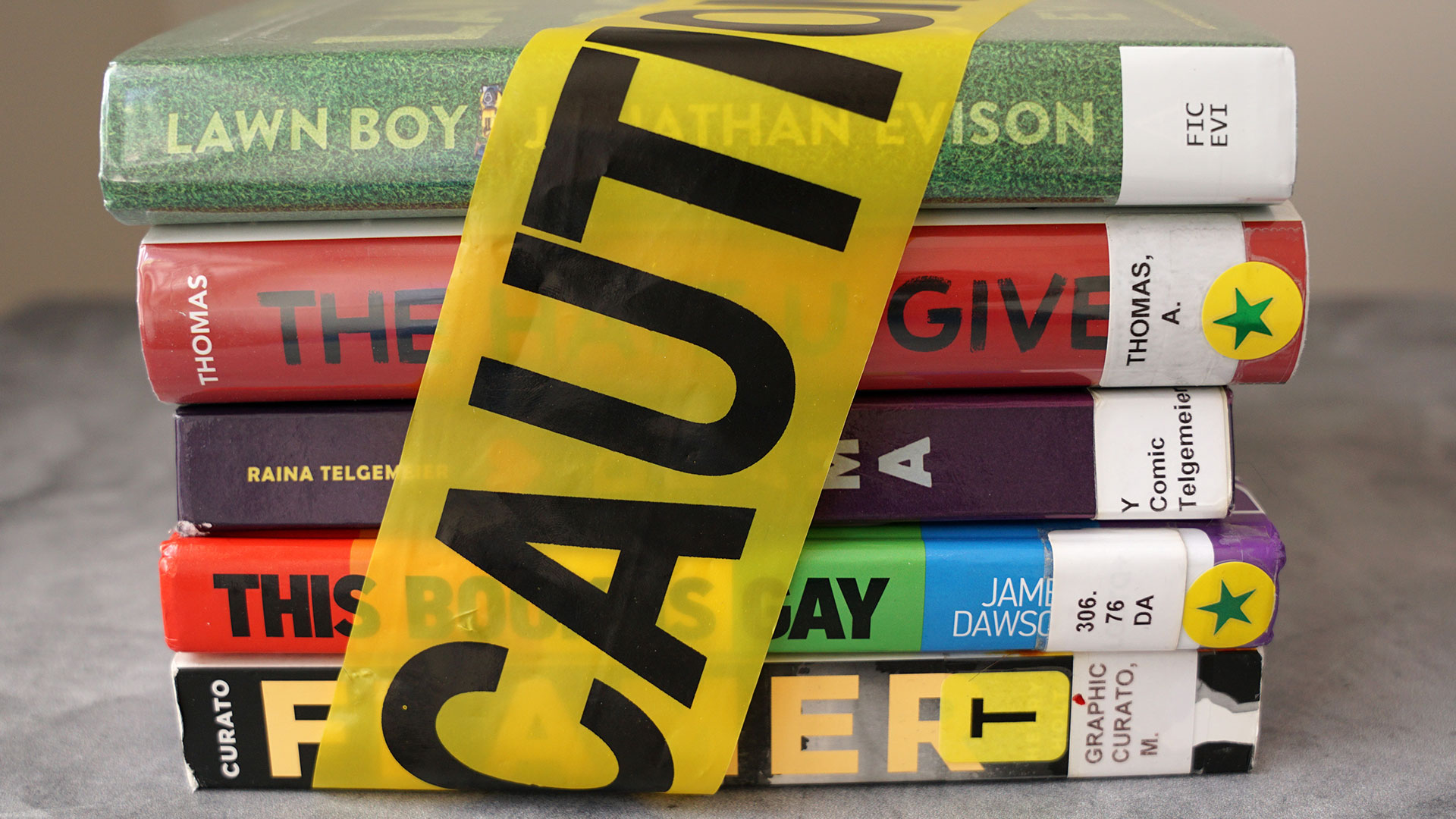
Book banning has become one of the most emotionally charged issues in the American book world. What once felt like an occasional, localized dispute has grown into a sustained national conversation involving schools, libraries, publishers, parents, and readers. As the industry looks toward 2026, one thing is increasingly clear: book challenges are not going away, but neither is the public’s commitment to the freedom to read.
The tension between restriction and access is now shaping how books are discovered, distributed, defended, and even marketed across the United States.
Over the last several years, challenges to books have reached historic levels. Data from the American Library Association shows thousands of titles targeted annually, most often books that explore race, gender identity, sexuality, mental health, or social inequality. Young adult and middle-grade titles have been especially affected, placing librarians and educators at the center of cultural and political disputes they never sought.
Yet the most striking part of this story is not the volume of challenges. It’s the response.
When books are challenged or removed, they often become more visible, not less. Sales data consistently shows that banned or challenged titles experience sudden spikes in demand. Readers seek them out deliberately, motivated by curiosity, solidarity, or a belief that no one should decide what others are allowed to read. For publishers and booksellers, this pattern has become familiar. Efforts to suppress books frequently amplify them.
As the industry moves toward 2026, this dynamic shows no signs of slowing. If anything, it is becoming more predictable. Challenges spark attention. Attention drives readership. And readership reinforces the cultural relevance of the very books under scrutiny.
Looking ahead, most analysts do not expect a dramatic decline in book challenges. Instead, the shape of those challenges is changing.
Broad, statewide or district-wide bans are increasingly difficult to sustain. Court rulings in recent years have reaffirmed that removing books from public libraries based on ideological disagreement raises serious constitutional concerns. These decisions have slowed some of the most aggressive efforts and introduced legal consequences for institutions that act without due process.
What remains are more localized disputes. Individual school boards, municipalities, or parent groups continue to challenge specific titles, often creating uneven access depending on geography. This patchwork environment means that a book removed in one district may remain readily available in the next town over, or through a public library rather than a school system.
Public sentiment is also shifting. National surveys show that a strong majority of Americans oppose book bans in public libraries. Even among parents who want more say in their own children’s reading, there is growing recognition that individual preference should not translate into collective restriction. That distinction matters. It suggests that while debates will continue, the broader cultural momentum favors access, transparency, and choice over prohibition.
Public libraries remain on the front lines of this issue. In response to rising challenges, many systems are refining their selection policies, strengthening review committees, and increasing transparency around decision-making. Rather than quietly removing contested titles, libraries are documenting challenges, inviting public input, and clearly articulating the principles behind their collections.
This approach does not eliminate conflict, but it reduces reactionary decisions and builds institutional credibility. It also reinforces the idea that libraries are stewards of access, not arbiters of ideology.
Independent bookstores have taken on a different but equally important role. Across the country, stores have turned banned books into moments of community engagement. Displays, reading groups, and author events reframing challenged titles as essential reading have become common. These efforts do more than move inventory. They foster dialogue and position bookstores as cultural anchors.
Behind both libraries and bookstores sits a less visible but critical layer of the ecosystem: distribution.
Wholesalers like Bookazine play a stabilizing role in moments like this. When certain titles become controversial, local sourcing can grow inconsistent. Some retailers hesitate. Some institutions face pressure. A wholesaler with a broad, global catalog and strong publisher relationships helps ensure that availability does not collapse under controversy. Bookazine’s role is not advocacy in the political sense. It is advocacy through access, making sure books remain obtainable for those who choose to read them.
That quiet consistency matters more than ever in a fragmented landscape.
As 2026 approaches, the banned books conversation is evolving from crisis to normalization. Challenges persist, but so does resistance. Readers are more aware. Institutions are more prepared. And the industry is adapting.
One notable shift is how banned books are discussed. Rather than being treated as dangerous exceptions, they are increasingly framed as part of a healthy, pluralistic reading culture. This reframing reduces stigma and moves the focus away from fear toward reader agency.
From a global perspective, the intensity of the U.S. debate stands out. In most major book markets outside the United States, broad content bans are rare and culturally unpopular. Access and literary freedom remain core public values. Bookazine’s international vantage point reinforces this context, reminding partners that restriction is not the global norm, even if it feels pervasive domestically.
The path forward is not about eliminating disagreement. Books have always reflected the tensions of their time. What history shows, again and again, is that attempts to silence stories rarely succeed. They simply underscore why those stories matter.
For Bookazine, this moment reinforces its purpose. By maintaining broad access to diverse voices, supporting retailers and institutions navigating sensitive terrain, and operating with neutrality and integrity, the company helps ensure that the freedom to read remains practical, not theoretical.
As debates continue into 2026, one truth holds steady. Books endure. Readers adapt. And access, supported quietly and consistently, remains the foundation that allows ideas to survive challenge.